


Green Transformation Accelerates as the Home Industry Embraces the Era of Sustainable Development

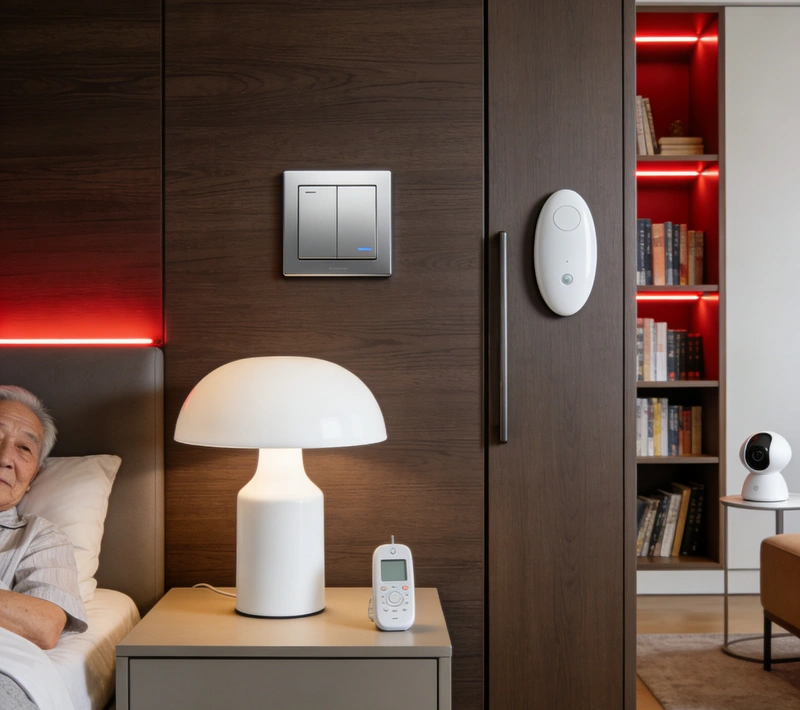
Sustainability has become a core keyword in the global home industry’s development, driving the entire industry to undergo a comprehensive green transformation. Driven by environmental protection policies and consumer demand for healthy living, green development has evolved from an optional trend to a necessary path for enterprises, penetrating every link from raw material selection, production and manufacturing to product application and recycling.
The green transformation of the home industry starts with the source of materials. More and more enterprises are prioritizing renewable and environmentally friendly materials, reducing the use of substances harmful to the environment and human health. In the selection of decorative materials, low or zero volatile organic compound products have become the mainstream, while renewable materials such as bamboo and wood are widely used through technological improvement. These materials not only meet the environmental protection requirements but also improve the safety and comfort of living spaces. At the same time, enterprises are actively promoting the innovation of green processes, adopting environmentally friendly technologies such as water-based coating and powder coating to reduce pollution emissions in the production process, and realizing clean production.
The concept of green design is deeply rooted in the hearts of enterprises. The design concept of “reducing consumption, recycling and reuse” runs through the entire product life cycle. In terms of product structure design, enterprises pay attention to modularization and disassembly, facilitating subsequent maintenance, replacement and recycling. In packaging design, the concept of minimalism is practiced, reducing the use of packaging materials and promoting the use of recyclable and degradable packaging to reduce environmental pressure. This green design not only conforms to the concept of sustainable development but also helps enterprises reduce production costs and improve market competitiveness.
The demand for green and low-carbon living among consumers is becoming increasingly strong, which has become an important driving force for the green transformation of the industry. People pay more attention to the environmental protection attributes and health performance of home products when purchasing, and are willing to pay a premium for green products. For example, products that help improve indoor air quality, save energy and reduce consumption are favored by consumers. This change in consumer demand has forced enterprises to accelerate the research and development and promotion of green products, and continuously improve the proportion of green supply.
The government’s policy guidance has provided a strong guarantee for the green development of the home industry. Relevant departments have introduced a series of policies to encourage the development of green manufacturing, promote the popularization of green building materials, and establish relevant standards and certification systems. These policies not only guide enterprises to carry out green transformation but also regulate the market order, ensuring the healthy development of the green home industry. At the same time, the construction of industrial clusters has also promoted the collaborative development of the green home industry. Through the aggregation of upstream and downstream enterprises, the sharing of green technologies and resources is realized, and the overall green level of the industry is improved.
The green transformation of the home industry is not only a response to global environmental protection calls but also an inevitable choice for industrial upgrading. In the future, with the continuous progress of green technology and the continuous improvement of the policy system, the green development of the home industry will be more in-depth. Enterprises need to further strengthen technological innovation, increase investment in green research and development, and continuously improve the environmental protection performance and quality level of products. At the same time, they should strengthen the publicity and popularization of green concepts, guide consumers to establish green consumption awareness, and jointly create a sustainable living environment. The green transformation of the home industry is a long-term process that requires the joint efforts of the government, enterprises and consumers to promote the industry to move towards a more environmentally friendly, healthy and high-quality development path.