


The Wave of Living Upgrade Drives the Home Industry Toward a New Quality Cycle

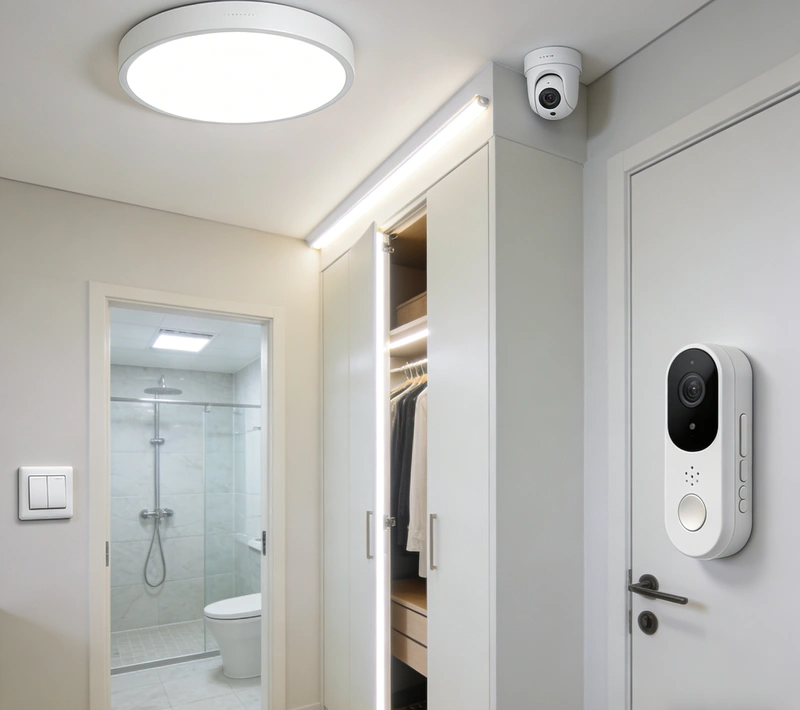
The home industry is undergoing a profound transformation driven by the upgrading of living demands. People’s expectations for living spaces have long transcended basic shelter needs, turning to the pursuit of comprehensive satisfaction in comfort, aesthetics, safety and sustainability. This shift has become a core driving force for the industry’s high-quality development, promoting the entire industrial chain to move towards refinement, integration and upgrading.
In the context of urban renewal and stock housing renovation, the market logic of the home industry has quietly changed. The traditional model relying on new housing increments has gradually shifted to focusing on the huge potential of stock renewal. Whether it is the partial renovation of old residences, the optimization of living functions, or the improvement of environmental quality, a large number of rigid demands are being released. This change has not only expanded the market space but also put forward higher requirements for the professionalism and refinement of industry services. Enterprises are no longer limited to providing single-link services, but are beginning to build integrated solutions covering design, material selection, construction and after-sales, to meet the one-stop needs of consumers.
The concept of “good housing” has become a key guiding direction for the industry’s development. Relevant policies and market demands are forcing enterprises to raise quality standards. From the optimization of hidden projects such as waterproofing and sound insulation to the upgrading of environmental protection and safety of decorative materials, every link is moving towards higher standards. The industry has gradually formed a consensus that only by focusing on user pain points and improving the stability and reliability of products and services can we gain long-term market trust. At the same time, the demand for personalized customization is rising. Families with different structures and living habits have diverse needs for space functions, such as suitable adjustments for the elderly, safe designs for children, and practical arrangements for pet families. This has promoted enterprises to transform from standardized production to flexible customization, and realize the accurate matching of supply and demand through in-depth insight into user needs.
Sustainable development has become an important trend in the global home industry. The concept of green environmental protection runs through the entire industrial chain, from the selection of renewable raw materials to the promotion of clean production processes, and then to the recycling of packaging materials. Consumers are paying more and more attention to the environmental protection attributes of products, and green materials and low-carbon technologies have become important factors affecting purchasing decisions. Enterprises are actively practicing the concept of green manufacturing, carrying out green transformation and upgrading, and creating living spaces that are both beneficial to human health and in line with environmental protection requirements through technological innovation.
The integration of technology and the home industry is also deepening. Digital tools are widely used in research and development, design, construction and other links, optimizing the industrial process and improving efficiency and quality. From the visualization of design schemes to the standardization of construction processes, and then to the transparency of after-sales services, technology is helping the industry get rid of the traditional extensive operation mode. The development of industrial Internet platforms has promoted the data interconnection and resource sharing among upstream and downstream enterprises in the industrial chain, enhanced the collaborative efficiency of the industry, and laid a foundation for the innovation and development of the entire industry.
In this new development cycle, the home industry is facing both opportunities and challenges. Enterprises need to keep up with the pace of market changes, deeply understand user needs, and continuously improve their professional capabilities in product research and development, service quality and technological innovation. Only by taking quality as the core, innovation as the driving force, and sustainability as the direction can they stand firm in the fierce market competition and contribute to creating a better living life for people. The transformation and upgrading of the home industry is not only a change in the market pattern but also a reflection of the continuous improvement of people’s pursuit of a better life.